Ardmore

The Story

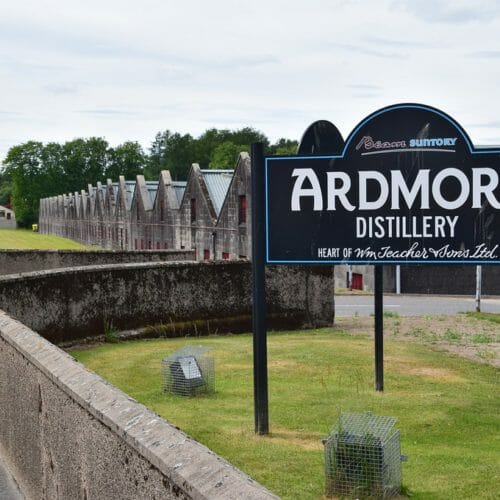
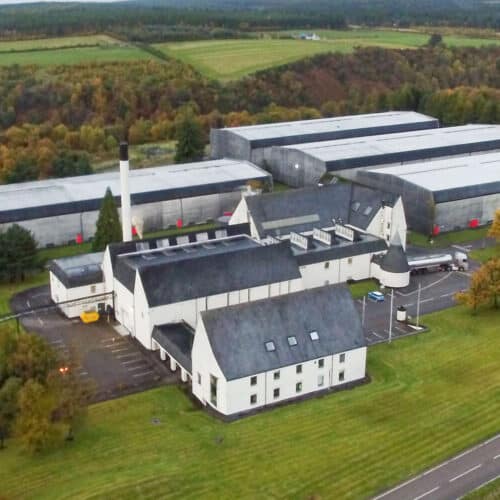
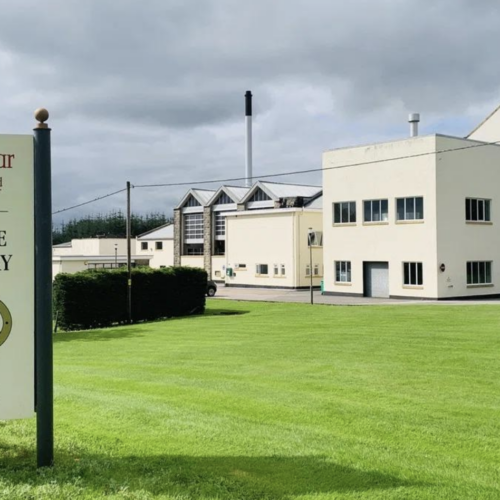
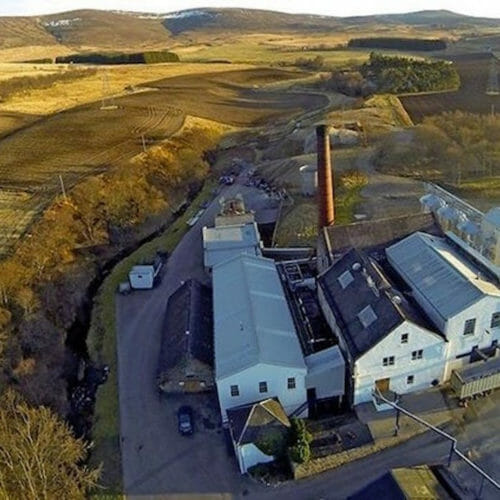
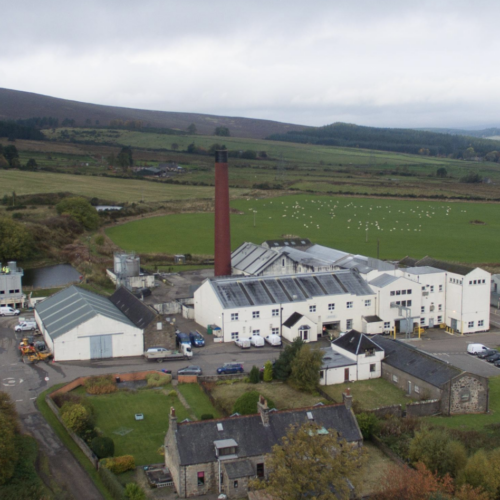
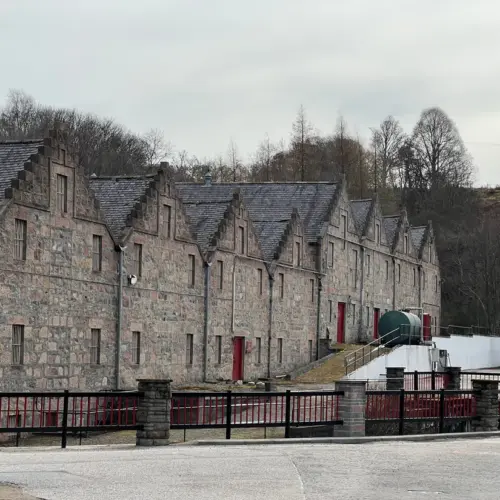
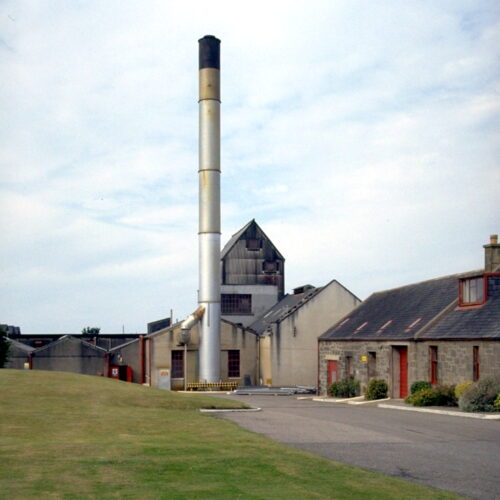
In 1898, Adam Teacher, son of Glasgow blender William Teacher, decided that the family firm needed its own malt whisky distillery to secure the supply for their famous Teacher’s Highland Cream blend. The site he chose, on the outskirts of the village of Kennethmont in rural Aberdeenshire, was built on land owned by a family friend. Ardmore remained in the Teacher’s stable for many years, providing the distinctive smoke and top-note elegance crucial to their blends. In 2014, the distillery joined the portfolio of the company now known as Suntory Global Spirits (which officially rebranded from Beam Suntory in 2024). Suntory maintains a relentless drive to achieve exceptional quality across its brands. While Ardmore has historically been used primarily as the smoky backbone for blends, since 2015 there has been a large-scale drive toward releasing stand-alone single-cask expressions, allowing the distillery’s unique character to finally shine on its own.
Ardmore

The Character & Production

Because of its crucial importance to blends, Ardmore has historically had a very quiet presence as an official single malt. The spirit’s peaty profile (which comes across as a dry, earthy woodsmoke rather than a medicinal coastal peat) is perfectly balanced by a gentle apple and floral lift. This elegant profile is the product of a strict production regime that insists on crystal-clear wort and very long fermentations in traditional wooden washbacks. Historically, coal fires raged under the stills, adding a heavy, mid-palate weight, further emphasised by the downward-facing lyne arms. When direct firing was phased out, the distillery team spent seven months creating bespoke steam coils with specific ‘kinks’ in them to perfectly replicate the hot spots of the old fires, ensuring the spirit lost none of its robust character. Today, alongside its traditional peated malt, the distillery also produces an unpeated variant known locally as Ardlair.

The Facts

Capacity: 5.4 to 5.5 Million Litres Per Annum
Malt Specification: Medium peated (12-14 ppm). The unpeated variant is called Ardlair.
Mash Tun: Cast-iron body with a copper dome (Semi-lauter)
Stills: 4 wash stills, 4 spirit stills
Condenser Type: Shell and tube
Heat Source: Steam coils (currently transitioning to green hydrogen and zero-carbon technologies)
Washbacks: 14 wooden washbacks (Douglas Fir)
Fermentation Time: 54 hours
Water Source: Knockandy Hill (drawn from 15 naturally rising springs)

Performance & Returns

Ardmore has a solid track record at the premium end of the market; for example, a rare 24-year-old Teacher’s Highland Cream (a blend heavily reliant on Ardmore) sold in April 2021 for £5,000 at auction. When bottled as a single malt, the nose is full of sweet toffee and earthy herbal notes. This earthiness is incredibly effective, lending great depth and appeal to the dram alongside distinctly honeyed undertones. The palate is smooth and soft, mixing perfectly with the herbal notes of thyme and heather that emerge on the finish. The excellent news for investors is that Ardmore remains remarkably good value, making it a true hidden gem for those looking at low-entry-price casks. Today, a premium 15-year-old independent bottling of Ardmore typically retails between £85.00 and £110.00. Based on this steady trajectory, holding an Ardmore cask for the medium-to-long term (5 to 10 years, rather than a quick 3-year flip) offers significant compound uplift potential as the brand’s standalone reputation continues to grow under Suntory Global Spirits.
“Ardmore is a true hidden gem of the Scottish Highlands. This is a real whisky for anyone looking for a 10-year hold in order to enjoy significant uplift of the brand along with value across that time.”

Whisky Collectors

Storage Clients

Not an existing client?

Start collecting

I have read & agree to the Elite Fine Wines Privacy Policy.

Download The EW&W Investment Guide

Get Our Exclusive Report!